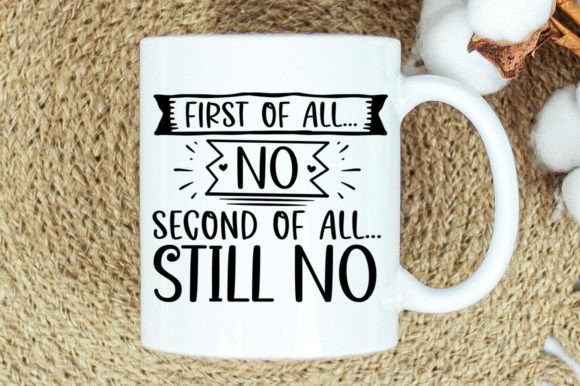
First of All No Second of All Still No Review
A First Look at the Design
When I first opened the First of All No Second of All Still No SVG file, I was immediately struck by its bold and straightforward visual language. This design carries a no-nonsense attitude that feels both modern and playful. The layout is clean, with clear shapes and minimal distractions. It’s not overly detailed, which makes it versatile for a variety of embroidery projects.
The mood it creates is one of confidence and clarity. It doesn’t try to be anything more than what it is—simple, direct, and functional. This kind of design naturally fits into custom apparel, tote bags, or even embroidered patches where the message needs to be clear and readable at a glance.
Real-Life Application: A Custom Embroidered Tote Bag
Let’s imagine using this design on a custom embroidered tote bag for a small shop. The design would sit well on a larger surface, making it easy to see and read. The contrast between the background and the text is strong enough that it should work well on both light and dark fabrics, as long as the thread color is chosen carefully.
I can see this design being used for a boutique product line, especially if the brand wants to communicate a sense of reliability or simplicity. It could also be a great fit for holiday gifts, personalized items, or even commercial embroidery projects where the message needs to stand out without being too flashy.
However, I would approach using it on smaller items like caps or patches with caution. The text is relatively large, and shrinking it might compromise legibility. In such cases, testing on scrap fabric is essential to ensure the stitch density remains consistent and the design doesn’t get lost in the details.
Performance in Real Embroidery Situations
First of All No Second of All Still No performs well in most standard embroidery situations. Its simple structure means it won’t require excessive stitch density, which is good news for anyone looking to keep their machine embroidery process efficient. It works particularly well on t-shirts, sweatshirts, tote bags, and stationery, where the fabric is smooth and stable.
For custom apparel, this design has a natural edge. It can be used on baby clothes, aprons, or even pillow covers without overwhelming the piece. The design’s personality allows it to blend well with other elements, whether you’re adding it as a standalone graphic or part of a larger composition.
On the flip side, if you're planning to use it on stretchy fabrics like knits or thin materials, you’ll need to pay close attention to stabilizer use. Without proper backing, the design may pucker or distort during stitching. Similarly, when working with curved surfaces like caps, adjusting the design slightly or using a different hoop size might be necessary to maintain quality.
Visual Appeal and Customer Perception
One of the key strengths of this design is how it affects the overall visual appeal of the finished product. It adds a touch of personality without being over-the-top, which is perfect for handmade products, Etsy listings, or craft fair items. Customers are likely to appreciate the straightforwardness and clarity of the message, especially if they're buying it as a personalized gift or for a specific occasion.
For Etsy sellers or small shop owners, this design offers a reliable option that can be paired with other graphics or used alone. It contributes to a professional look while still feeling approachable and friendly. When used correctly, it can enhance the value of your handmade product and build trust with buyers who are looking for quality and consistency.
It’s also worth considering how the design will appear in printable mockups or digital previews. Since it’s a simple graphic, it should translate well into these formats, making it easier to showcase your final product before production.
Design Notes for Embroidery Professionals
If you're an embroidery designer or running a craft business, here are some practical tips to keep in mind when using First of All No Second of All Still No:
- Test on scrap fabric first to check how it stitches up and whether the thread colors work well with your chosen fabric.
- Review stitch density to make sure it doesn’t become too dense or cause puckering, especially on delicate or stretchy materials.
- Confirm hoop size and adjust the design as needed to fit within your machine’s capabilities.
- Inspect small details to ensure there are no hidden issues in the SVG file that could affect the final result.
- Compare light and dark fabric backgrounds to determine the best thread color options.
- Use proper stabilizer to prevent shifting or distortion, especially on thinner or textured fabrics.
- Check licensing terms before selling any finished items or digital products to avoid legal issues.
Whether you're creating handmade products, personalized gifts, or commercial embroidery items, this design has the potential to add a unique touch to your work. Just be mindful of the context and material you're working with to ensure the best possible outcome.
In conclusion, First of All No Second of All Still No is a solid choice for designers and makers looking for a clear, confident, and adaptable machine embroidery design. With the right preparation and attention to detail, it can elevate your projects and bring a fresh perspective to your creative work.