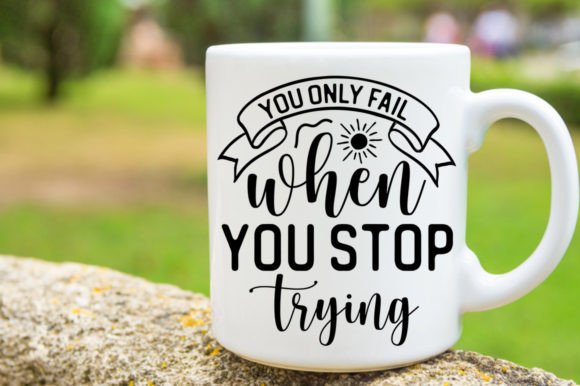
You Only Fail When You Stop Trying SVG
First Impressions: A Motivational Embroidery Design
At first glance, You Only Fail When You Stop Trying SVG carries a bold and encouraging message that immediately grabs attention. The typography is clean yet expressive, with a layout that feels balanced and intentional. It’s the kind of design that could easily be mistaken for a motivational poster, but with the versatility of an embroidery file, it opens up endless creative possibilities.
The theme of perseverance and resilience is well-suited for a variety of handmade projects. Whether it's a custom sweatshirt for a gym member or a personalized tote bag for a small shop, this design has a universal appeal that can resonate with many audiences. The visual personality is uplifting, making it ideal for products that aim to inspire or motivate.
Real-Life Scenario: Creating a Custom Tote Bag
Imagine preparing a custom embroidered tote bag for a local boutique. This design would work perfectly as a statement piece. I envision the phrase stitched in a bold satin stitch on a natural linen fabric, paired with a complementary thread color to enhance readability. The result would be both visually striking and meaningful—something customers would appreciate as a daily reminder to keep pushing forward.
When considering how this design translates into stitching, the lettering is well-proportioned and structured, which means it should hold up well on larger hoop sizes. However, if you're planning to use it on smaller items like patches or caps, you might need to scale it down carefully to maintain clarity and detail.
For someone running a craft business or selling on Etsy, this design could serve as a unique product offering. Its positive message makes it especially appealing for holiday gifts, baby items, or even wedding favors. It's also a great fit for commercial embroidery projects where brand messaging matters, such as boutique branding or handmade product lines.
Performance in Real Embroidery Projects
You Only Fail When You Stop Trying SVG performs exceptionally well on a range of surfaces and materials. On cotton or canvas, the stitches are crisp and clear, making it perfect for custom apparel like t-shirts, sweatshirts, or aprons. For more delicate fabrics, like linen or burlap, using a proper stabilizer becomes essential to ensure the design holds its shape and doesn’t pucker.
When working with dark fabrics, selecting high-contrast thread colors is key. The design works best when there's enough contrast between the background and the embroidery. Testing it on scrap fabric first is always a good idea to check how the stitches look and feel.
This design is also adaptable for decorative accents. Imagine adding it to a pillow cover or kitchen towel as a subtle yet impactful touch. It’s not overly detailed, so it won’t overwhelm the fabric, and it maintains a clean, professional appearance whether used for personal or commercial purposes.
However, caution is needed when using this design on stretchy or textured fabrics. Stretchy materials like knits or jerseys may require additional stabilizing techniques to prevent distortion. Similarly, curved surfaces like hats or mugs will demand careful placement and adjustment of the design to maintain alignment and proportion.
Design Considerations and Practical Notes
As a designer, I always recommend testing You Only Fail When You Stop Trying SVG on scrap fabric before committing to a full project. This allows you to evaluate stitch density, thread color contrast, and how the design interacts with different fabric textures. If you're planning to sell finished products or digital assets, confirming the licensing terms is crucial to avoid any legal issues later on.
Reviewing the stitch density is another important step. While this design isn’t overly complex, areas with tight curves or fine lettering may require a higher stitch count to maintain clarity. Using a black and white mockup can help visualize how the design will appear on light or dark backgrounds, ensuring it remains legible and visually appealing.
Choosing the right hoop size is also vital. For larger projects like tote bags or blankets, a bigger hoop ensures smooth stitching without interruption. For smaller items like patches or caps, scaling the design appropriately is essential to preserve detail and readability.
Finally, don’t forget about the role of stabilizers. They’re often the unsung heroes of successful embroidery projects. Especially when working with thin or stretchy fabrics, using a good quality stabilizer can make all the difference in achieving a professional finish.
You Only Fail When You Stop Trying SVG is a versatile and inspiring design that can elevate your embroidery projects. Whether you're crafting for yourself, your clients, or your business, it’s a great addition to your design library. Just remember to test it out, adjust as needed, and let the message shine through every stitch.